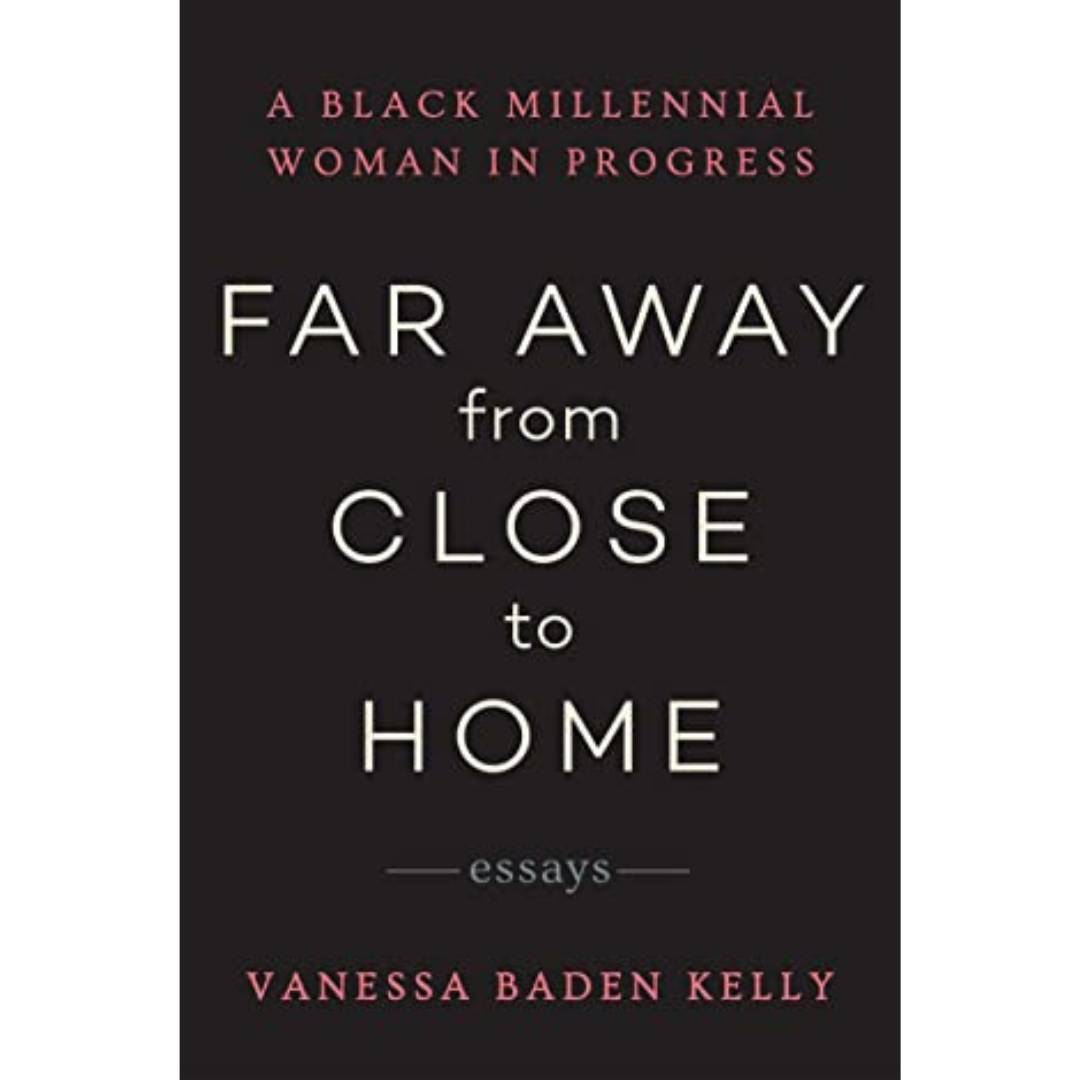
This collection of essays is a hard-hitting one which opened my eyes to the realities of systemic racism prevalent in the United States of America and the effects of gentrification on the lives of the Black people and a first-hand experience in the life of a Black mother during the Black Lives Matter movement.
Coming from a sheltered background, where it’s easier to rely on the system than to fight it, and sitting on the sidelines here in India when the BLM movement took over the USA in 2020 and learning tidbits of it from social media, this book provided an immersive experience into the lives of a Black woman and a mother. The bits where she spoke about how her worry for the safety of her child and how she wishes to ensure that her child grows up in a emotionally safe environment tugged at my heart. The stream of consciousness style of penning down these seven essays made me feel like I was talking to the author about her lived experience. Which is indubitably better than any 10-slide infographic on the internet.
In the first essay, “One Stop“, Vanessa talks about her experience riding in a bus in Los Angeles, a few seats away from a homeless, POC person whose stench “was crowding what physical bodies weren’t”. She speaks about the various places in Los Angeles and the racial pockets that have developed in them and the gentrification that has started in the areas where Black folks pre-dominantly live because of the increased costs of living in predominantly-white areas. I felt that this essay, being the first one, immediately shoved a map in my face and told me a lot about the history and geography of Los Angeles (two subjects I am exceptionally bad at), so grasping these aspects of the chapter was a bit tough for me. I will reread it again soon and hope that I learn more about the Los Angeles and Hollywood area.
In the second essay, “Sybrina, Gina, and Me“, Vanessa writes about the Martin Lee Anderson case and the Trayvon Martin shooting in detail and from the perspective of the families of these teenagers and the perspective of her own family and the Black community rallying to support the families. The ugliness of racial profiling – being discriminated and killed just because you look a certain way or wear a certain type of clothing is described in heart-wrenching detail. A quote from the book:
I couldn’t feel the weight of that love. I thanked her (Sybrina, Trayvon’s mother) for being the way she was. I apologized that the system had denied her justice. It was not my apology to give. But, like so many others, I offered up what I could. Someone had to.
She only responded that she loved me. And to kiss my son. I did. I kissed him for her, for Gina (Martin Lee Anderson’s mother) and for me.
Vanessa Baden Kelly, Far Away from Close to Home
In the third chapter, “Bloodline of a Name“, Vanessa writes about the hierarchy of names from the times of slavery till modern day, the surnames of her ancestors and the value of a name. She writes about her relationship with her maternal grandfather (affectionately called Papa) and her relationship with her ex-husband’s grandfather (affectionately called Paw Paw) and how losing them shattered her. She also writes about her relationship with her dad, when her father reconnected with her mother years after she was born, and the resultant relationship with her paternal grandmother, Beverly.
In the fourth chapter, “Unreliable Narrator“, Vanessa shares her experience in the creative writing courses in her MFA program and how her professor told her that Black writers were deigned to be unreliable narrators when they shared their non-fictional, lived experience and how he also equated Black writers with white writers who were writing fictional stories with purposefully-created unreliable narrators. She also throws light on the roots of this systemic racism and the myth of the Good Girl.
In the fifth chapter, “Miracle of Black Love“, Vanessa writes about dating her husband-to-be, their married life, her pregnancy and their separation and all that happened to her life in these four phases. Making ends meet in a city where you need to be an exceptionally good rope-skipper and being part of a community where slavery had decimated Black marriages was tough, and the tough realities of it are clearly brought out in this book. Vanessa also talks about her life during the pandemic in 2020. The author’s analysis of the passage from the Bible – Proverbs 31 is sharp, ingenious and groundbreaking.
In the sixth chapter, “Joggers“, Vanessa comes back to the point made in the first chapter about gentrification and expands on it from the perspective of a tight-knit community watching out for each other and a White female jogger jogging on the sidewalks in their area with a carefree abandon. The nuances of living in a Black community and the reluctance to rely on formal, police mechanisms for protection are highlighted with crisp clarity. A quote:
You couldn’t call them (the police) to help you treat the wound they inflicted. All you could do was hope that you would see them as little as possible and treat your wounds yourself.
Vanessa Baden Kelly, Far Away from Close to Home
Vanessa also shares her experience during the Black Lives Matter movement, her thoughts on performative wokeness and the dilemma of whether she should take her child to the BLM protests in the city or not.
The seventh chapter, “Texts with Chaz“, is in the form of letters written to her friend Chaz in 2020 in a conversational tone about the BLM movement and asking questions about how to raise her son in a bid to express herself without the fear of self-censoring her valid fears.
I haven’t read many books and memoirs written by Black millennial women and I regret that. However, I’m also glad that this book happened to be my first step into understanding diversity and appreciating the thoughts, fears and perspectives of people who don’t look like me. It is a must-read, and I look forward to reading more literature and consciously sensitizing myself to the lived realities of Black people in the USA.


Leave a Reply